CircularX aims to accelerate Australia’s transition toward a circular, low-carbon economy. Our mission is to make industrial reuse simple, transparent, and economically viable for every business, whether large, small, or emerging. By connecting organisations with verified reusable materials, providing intelligence on suitability and compliance, and unlocking new pathways for circular innovation, CircularX empowers industry to reduce waste, cut emissions, and build more resilient supply chains.
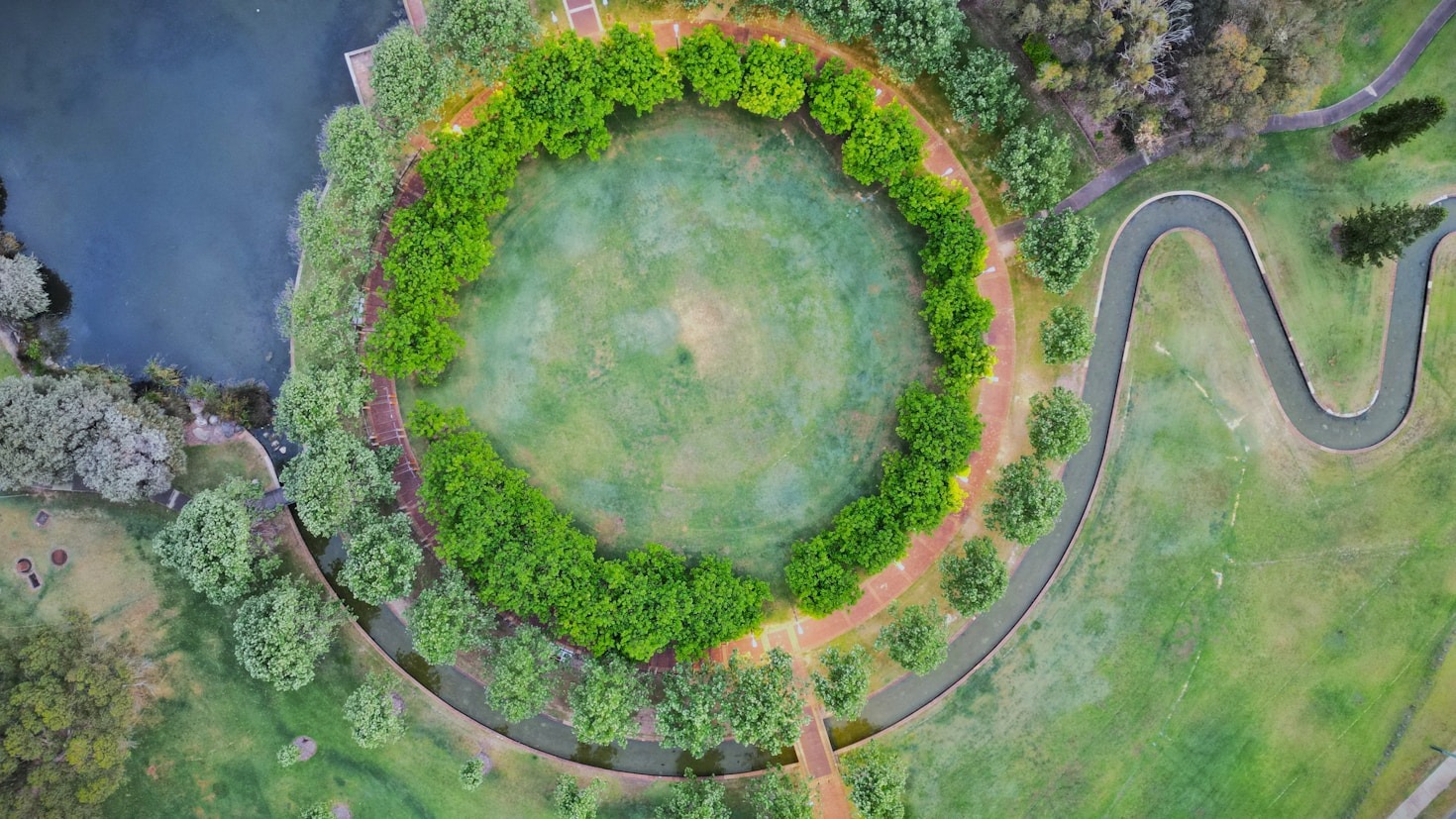
Sustainability isn’t just a strategy, it’s a mindset shaped by small, thoughtful choices. Sometimes the most powerful insights emerge when we pause and observe the world around us. In that quiet space, we’re reminded that progress doesn’t always come from doing more, but from doing better. Circularity invites us to rethink value, reimagine waste, and rediscover the potential already in front of us.
Across industries, one of the biggest barriers to sustainable progress is the disconnect between material availability and practical reuse. Companies often dispose of valuable resources simply because they lack visibility, guidance, or confidence to repurpose them. CircularX bridges this gap by providing data-driven insights, verified material information, and clear pathways for reuse. Manufacturers gain access to alternatives with lower carbon impact, recyclers find consistent demand streams, and suppliers unlock new value from materials previously treated as waste. This alignment not only reduces environmental burden but also strengthens supply chain resilience and supports Australia’s transition toward a circular, low-carbon economy.


As we look deeper into Australia’s sustainability landscape, it becomes clear that many organisations want to participate in circular practices but are unsure where to begin. Questions naturally arise: Which materials are safe to reuse? What are the regulatory requirements? How do I verify quality or estimate carbon impact? CircularX addresses these uncertainties by combining material intelligence, compliance guidance, and emissions data into one accessible platform. By offering clarity where confusion often exists, the platform empowers businesses to make informed decisions without compromising operational efficiency. This creates a natural transition from understanding the problem to embracing practical, achievable solutions that drive circular progress.
Key Insights
· Circularity begins with visibility. Many businesses dispose of valuable materials simply because they lack information or confidence to reuse them.
· Data enables action. CircularX provides material intelligence, compliance guidance, and CO₂ insights that remove uncertainty and support faster, smarter decisions.
· Reuse delivers immediate impact. Repurposing industrial materials reduces waste, lowers procurement costs, and cuts emissions without requiring major operational changes.
· Industry collaboration is essential. Suppliers, manufacturers, recyclers, and innovators each play a crucial role in creating a functioning circular economy.
· Circularity strengthens resilience. By rethinking resource use, organisations reduce dependence on volatile supply chains and improve long-term sustainability. · Australia is at a turning point. Achieving net-zero targets will require more efficient resource use, and platforms like CircularX provide the digital infrastructure to make it achievable
The path toward a more sustainable, circular future depends on our ability to rethink how we use-and reuse-materials. CircularX demonstrates that meaningful change doesn’t require massive disruption; it begins with better visibility, smarter decisions, and the willingness to challenge old assumptions about waste. By connecting businesses with verified reusable materials and providing the intelligence needed to act confidently, the platform transforms circularity from an abstract ideal into a practical, everyday reality. As organisations across Australia strive to reduce emissions and strengthen their supply chains, adopting circular practices is no longer optional, it is essential. The opportunity is here, and the next step belongs to all of us.
Leave a Reply