Industrial waste is often seen as an unavoidable by-product of production, but in today’s circular economy, it represents one of the greatest untapped opportunities for innovation, sustainability, and economic value creation. This article explores how industries can shift from traditional waste management to resource efficiency, turning discarded materials into valuable inputs for new products, technologies, and markets. By reframing waste as a strategic asset, businesses can reduce costs, improve environmental performance, and unlock new competitive advantages. In the paragraphs ahead, we’ll look at practical examples, emerging technologies, and actionable pathways that demonstrate how waste-to-resource systems are reshaping the future of industry.
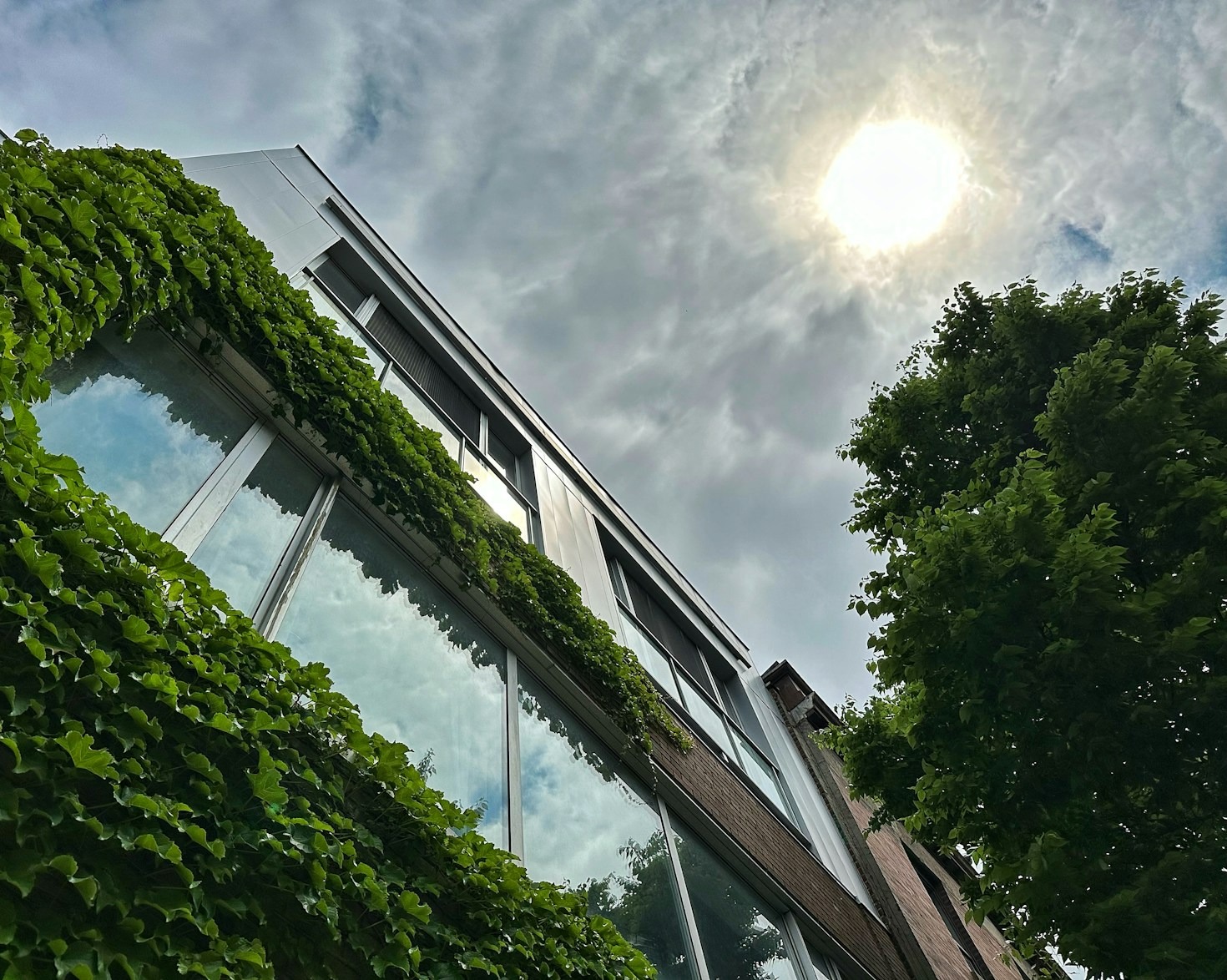
Waste is not the end of a material’s story, it’s the beginning of its transformation. When we pause and look closer, what once seemed useless reveals unexpected value, innovation, and potential.
Across Australia, millions of tonnes of industrial by-products, such as fly ash, slag, offcuts, plastics, metals, and biomaterial residues, are generated every year, yet only a fraction is recovered for high-value reuse. When viewed through a circular lens, these streams are no longer liabilities but strategic assets. Manufacturers are increasingly discovering that materials once classified as “waste” can be repurposed into construction inputs, advanced composites, soil enhancers, or feedstock for new technologies. For example, steel slag is now used to replace traditional aggregates in road building, while recycled polymers are being integrated into durable industrial components. Studies from CSIRO and global circular economy leaders show that reusing industrial materials not only reduces emissions but can cut procurement costs by up to 30%. These insights underscore a growing shift: the industries that thrive in the low-carbon future will be those that unlock value from their own waste streams and those of their supply partners.


While the potential of industrial waste is increasingly clear, many businesses still question whether reuse is practical, scalable, or economically worthwhile. These concerns are understandable, material variability, regulatory requirements, and quality assurance can make reuse seem complex. Yet this is exactly where the greatest opportunities emerge.
With improved material data and clearer compliance frameworks, CircularX connects suppliers with verified buyers and provide intelligence on suitability and carbon impact. The barriers to circularity are rapidly diminishing. Companies are beginning to recognise that waste-to-resource pathways not only reduce environmental impact but also generate new revenue streams, strengthen supply chains, and enhance their sustainability profile.
Key Insights
Industrial waste holds hidden value. When seen through a circular lens, materials once discarded can become high-value inputs for construction, manufacturing, and innovation.
Data unlocks opportunity. Understanding material properties, compliance requirements, and carbon impact is essential for confident reuse.
CircularX enables practical reuse. By connecting suppliers with verified buyers and providing material intelligence, CircularX reduces uncertainty and accelerates waste-to-resource outcomes.
Reuse strengthens supply chains. Companies benefit from lower procurement costs, reduced landfill reliance, and greater resilience against resource volatility.
Sustainability becomes competitive advantage. Organisations that adopt circular practices early position themselves as leaders in the emerging low-carbon economy.
The transition is already happening. From slag replacing aggregates to polymers being repurposed into durable components, industry is proving that circularity is both feasible and profitable.
Transforming industrial waste into opportunity is rapidly becoming a practical and profitable strategy for modern industry. By making material reuse transparent, traceable, and data-driven, CircularX helps businesses reduce costs, cut emissions, and unlock new value from resources already within their reach. As more organisations adopt circular practices, the shift from waste to opportunity will become not only achievable but essential for a resilient, low-carbon future.
Leave a Reply